

Hojicha -Tiramisu: Was unterscheidet es vom klassischen Tiramisu?
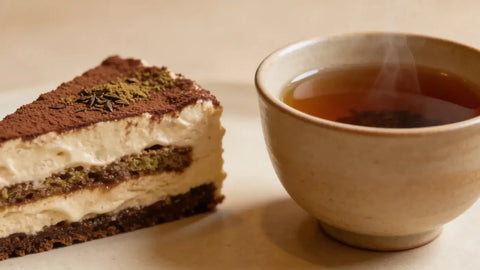
 Hojicha Tiramisu verwendet gerösteten japanischen Grüntee anstelle von Espresso, sowohl zum Einweichen der Löffelbiskuits als auch, in den meisten modernen Rezepten, als Aromastoff in der Cremeschicht selbst.
Klassisches Tiramisu lebt von der Bitterkeit des Kaffees, die die Fettigkeit des Mascarpones ausgleicht. Hojicha erfüllt denselben Zweck auf andere Weise: Seine geröstete, nussige Süße verbindet sich harmonischer mit der Milchcreme als Kaffee und ergibt so ein Dessert, das am Gaumen wärmer und weniger säurebetont wirkt.
Der andere strukturelle Unterschied liegt im Koffeingehalt. Eine volle Tasse hojicha enthält etwa 7 bis 15 Milligramm Koffein, im Vergleich zu 60 bis 100 Milligramm in einem Espresso. Das macht ihn zu einem realistischen Dessert am späten Abend für koffeinempfindliche Menschen – einer von mehreren Vorteilen hojicha , die ihn nicht nur geschmacklich zu einer praktischen Wahl machen.
Hojicha Tiramisu-Rezept: Hauptzutaten und ihre Funktion
Wählen Sie zwischen Hojicha-Pulver und gebrautem Hojicha
Die meisten hojicha Tiramisu-Rezepte verwenden eine oder beide Hojicha-Teesorten. Aufgebrühter hojicha , zubereitet durch Aufgießen von losen Teeblättern oder Teebeuteln mit heißem Wasser, dient zum Tränken der Löffelbiskuits. Fein gemahlenes Hojicha Pulver wird direkt in die Mascarponecreme eingerührt und zum Schluss als Topping verwendet.
Hojicha-Pulver sorgt für ein konzentrierteres und gleichmäßigeres Aroma in der Cremeschicht. Stark aufgebrühter, loser Tee eignet sich besser zum Einweichen, da er tief genug ist, um in den Keks einzudringen, ohne flach zu schmecken. Nio Teas ' Hojicha Noike ist ein gerösteter, loser Tee, der sich dafür hervorragend eignet. Wenn Sie nur eine Teesorte zur Verfügung haben, ist Pulver die vielseitigere Wahl. Lösen Sie es für das Einweichen in heißem Wasser auf und geben Sie anschließend mehr davon in die Creme.
Die Qualität des verwendeten hojicha bestimmt maßgeblich das Geschmackspotenzial des fertigen Desserts. Tee, der bei kontrollierter Temperatur geröstet wurde, entwickelt klare Karamell- und Röstgetreidenoten, während minderwertiges Pulver flach, leicht herb oder allgemein erdig schmecken kann.
Die richtige Stärke des Aufgusses für die Einweichflüssigkeit macht einen großen Unterschied in der endgültigen Textur des Desserts. 👉 Hojicha zubereiten wie ein japanischer Teemeister
Schichten aus Sahne, Mascarpone und Schwamm
Mascarpone ist die Standard-Sahnebasis und eignet sich am besten, da sein neutraler Fettgehalt den hojicha -Geschmack klar und ohne Überlagerung zur Geltung bringt. Manche Rezepte verwenden Frischkäse für ein etwas säuerlicheres, leichteres Ergebnis; beides ist möglich, die Wahl hängt davon ab, ob man eine reichhaltige oder eine frische Sahneschicht bevorzugt.
Löffelbiskuits, auch Savoiardi genannt, eignen sich hervorragend als Schwamm, da sie Flüssigkeit schnell aufsaugen, ohne zu zerfallen. Beim Einweichen ist die Zeit entscheidend; ein kurzes Eintauchen genügt. Zu langes Einweichen führt zu einem matschigen, formlosen Stück anstatt zu definierten, getrennten Schichten.
Eier, Zucker und Schlagsahne bilden die Basis des klassischen hojicha Tiramisu-Rezepts. Manche Varianten kommen ohne Eier aus, indem ausschließlich geschlagene Sahne unter die Mascarpone gehoben wird. Dadurch entsteht eine leichtere, aber dennoch stabile Cremeschicht.
Wie der Röstgeschmack das Dessert verändert

Das Rösten unterscheidet hojicha von anderen japanischen Teesorten. Durch die Erhitzung der Blätter oder Stängel wird Chlorophyll abgebaut, wodurch Pyrazine und Furane entstehen – dieselben Verbindungen, die auch für den Geschmack von gerösteten Nüssen, Karamell und dunkler Brotkruste verantwortlich sind. Diese Verbindungen verbinden sich gut mit Fett, weshalb hojicha so gut zu Desserts mit Sahnebasis passt. Matcha hingegen hat grasige, pflanzliche Noten, die in größeren Mengen mit Milchprodukten kollidieren können, und die bittere Tanninnote von ungeröstetem Grüntee wird durch Zucker und Mascarpone selten ausreichend gemildert.
Das Ergebnis ist ein harmonisches Geschmacksprofil. Jede Komponente – der getränkte Keks, die Creme, die bestäubte Oberfläche – trägt dieselbe warme, röstige Note in sich, anstatt mit ihr zu konkurrieren.
Hojicha Tiramisu-Kuchen: Variationen und Servierarten
Schichtdessert vs. runder Kuchen
Die klassische Variante ist ein rechteckiges, geschichtetes Dessert, das direkt in einer Backform zubereitet und in Portionen geschnitten wird. Die hojicha -Tiramisu- Variante verwendet dieselben Komponenten, wird aber in einer runden Springform geschichtet. Dadurch entstehen beim Stürzen sauberere Kanten, und die Torte eignet sich besser für die individuelle Präsentation bei Veranstaltungen.
Die runde Form besteht typischerweise aus drei statt zwei Schichten, wodurch sich ein besseres Verhältnis von Creme zu Keks pro Stück ergibt. Außerdem ermöglicht sie eine dekorativere Verzierung, beispielsweise durch das Aufstreuen Hojicha-Pulver in einem Muster mithilfe einer Schablone oder durch das Andrücken zerbröselter hojicha -Waffeln an den Seiten.
Einzelportionen und alternative Gefäße
Einzeln portionierte Gerichte in kleinen Gläsern oder Förmchen lösen das Anrichtenproblem vollständig. Da jede Portion bereits in einem separaten Behälter vorliegt, entfällt das Schneiden, das Zusammenfallen der Schichten und die Gefahr, dass sich die einzelnen Schichten vor dem Servieren vermischen. So können die Gäste die einzelnen Schichten bereits vor dem Essen erkennen, was den optischen Reiz von Tiramisu hojicha am Tisch erhöht.
Für eine leichtere Variante ersetzen manche Rezepte Löffelbiskuits durch dünne Scheiben hojicha Biskuit, wodurch die Cremeschichten einen größeren Anteil des Gesamtvolumens einnehmen können. Das Ergebnis ist ein kompakteres Dessert mit weniger Strukturkontrast, aber einer gleichmäßigeren Textur.
Warum Hojicha in manchen Desserts besser funktioniert als Matcha
Sowohl hojicha als auch matcha werden in japanischen Desserts westlicher Art verwendet, lösen aber unterschiedliche Geschmacksprobleme. Matcha bringt grasigen Umami und einen leicht bitteren Abgang mit sich, der gut zu delikaten Produkten wie Eiscreme , Schokolade und Shortbread passt, wo die Bitterkeit durch Fett oder Zucker ausgeglichen wird.
In einer cremigen, geschichteten Zubereitung können die pflanzlichen Noten von matcha in eine unangenehme Bitterkeit umschlagen, die eher als unangenehm denn als komplex empfunden wird. Der Röstcharakter von Hojicha harmoniert hingegen natürlicher mit der Geschmackslogik dieses Gerichts; er spiegelt die Rolle des Kaffees wider, ohne sie exakt zu imitieren.
Der geringere Koffeingehalt ist gerade bei Desserts ein echter Vorteil. Matcha in den Mengen, die nötig sind, um den Geschmack einer ganzen Portion zu entfalten, genügend Koffein, um wahrnehmbar zu sein. Hojicha hingegen kann man bedenkenlos abends servieren.
Die Geschmacksunterschiede zwischen diesen beiden Teesorten gehen weit über die Verwendung in Desserts hinaus. 👉 Unterschiede zwischen Hojicha und Matcha – erklärt von einem Teeexperten
Die richtige Kombination Hojicha Tiramisu und Tee
Ein gut zubereitetes hojicha Tiramisu besitzt genügend Geschmacksintensität, um perfekt mit einer dazu servierten Tasse frisch gebrühtem hojicha zu harmonieren. Die warmen, röstigen Noten beider Speisen verstärken sich gegenseitig, ohne eintönig zu werden, da die heiße Flüssigkeit einen Kontrast in Temperatur und Konzentration bietet.
Wer einen Kontrast statt einer perfekten Übereinstimmung wünscht, findet in aufgebrühtem sencha oder leichtem kukicha frische, grasige Noten, die sich vom reichhaltigen Geschmack der Mascarponecreme abheben. Dieser Kontrast lässt sowohl den Tee als auch das Dessert am Gaumen deutlicher hervortreten.
Nio Teas bietet hojicha in verschiedenen Formaten an, die sich sowohl zum Aufbrühen als auch zum Kochen eignen. Dazu gehören lose Blätter, die sich gut als starke Aufgussflüssigkeit eignen, und wer diesen Tee auch außerhalb von Desserts genießen möchte, kann die gleichen Zutaten verwenden, um einen Hojicha Latte als wärmende Beilage zuzubereiten.
Kommentare (0)
Es gibt noch keine Kommentare. Sei der Erste, der einen Beitrag schreibt!