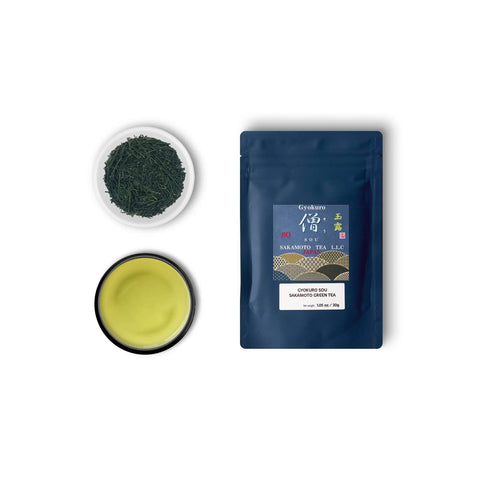
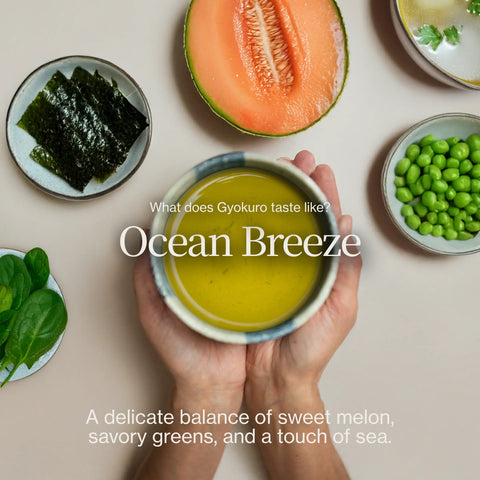
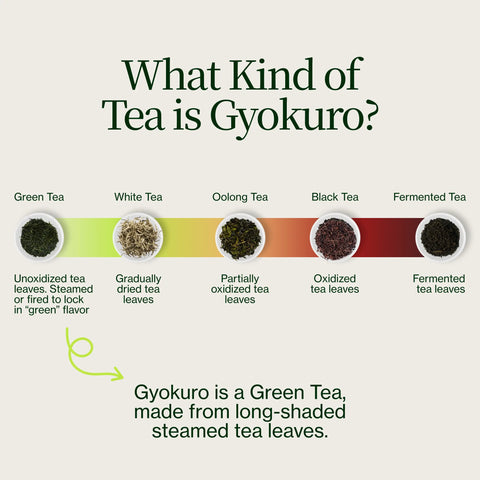
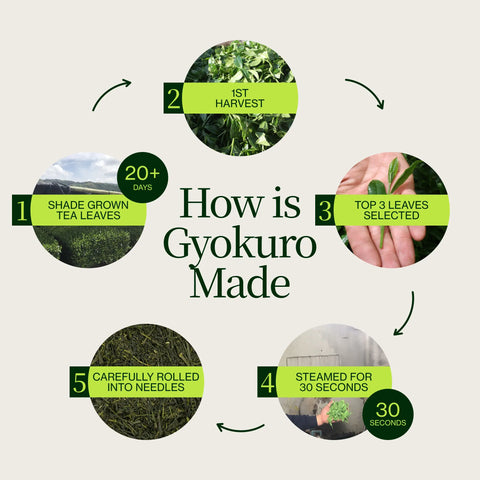
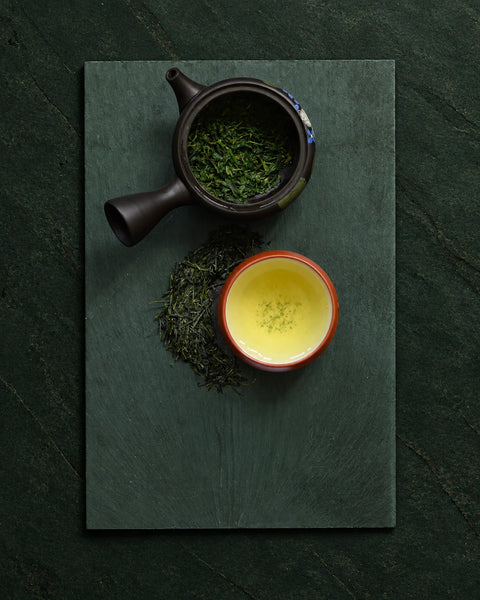
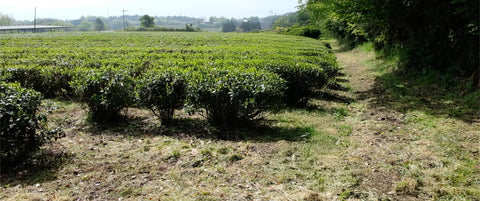
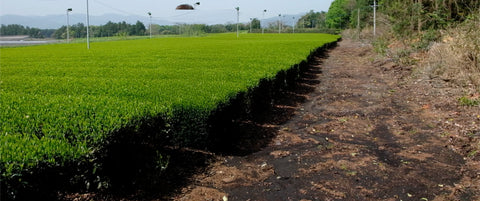
Gyokuro is grown in the dark. For around three weeks before harvest the bushes are covered with reed screens or black netting, cutting out most of the sunlight and leaving the plant with more theanine and fewer catechins. The result is Japan's sweetest, most savoury leaf tea: thick, almost broth-like, with a deep marine umami and very little bitterness. It has to be brewed accordingly — a generous amount of leaf, a small volume of water at a low temperature, and a patient steep. Treated that way it is less a refreshing drink than a concentrated one, and the later infusions, brewed hotter, open it back up.
Artigiano del tè: Signor SakamotoKagoshima
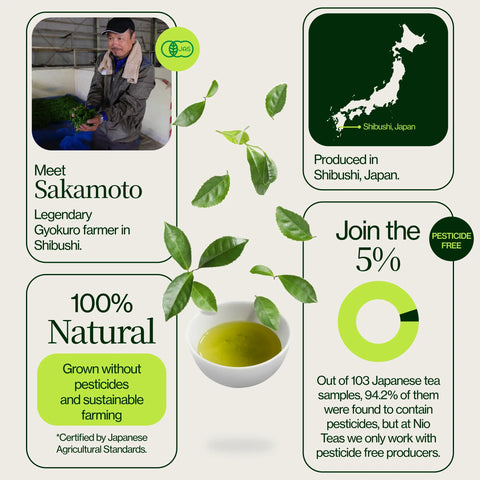
IL Gyokuro Sou Sakamoto è prodotto in Shibushi , Kagoshima, una regione benedetta da fertili terreni vulcanici e aria pura. Qui, Mr. Sakamoto ha perfezionato la sua arte nel corso dei decenni, diventando uno dei pionieri più rispettati del Giappone nella produzione gyokuro biologico.
Rifiutando le scorciatoie e investendo nell'arricchimento naturale del suolo, coltiva piante di tè che prosperano senza l'uso di sostanze chimiche. La sua dedizione si traduce in tè che non solo hanno un sapore eccezionale, ma preservano anche la salute della terra e dell'ecosistema.
Con Gyokuro Sou SakamotoNon si tratta solo di tè, ma del frutto di una vita dedicata all'innovazione, alla cura e al rispetto per la natura.
Origine: ShibushiGiappone
IL Gyokuro Sou Sakamotoproviene dai fertili terreni vulcanici diShibushi a Kagoshima, una regione rinomata per la produzione dei tè gyokuro più dolci e ricchi del Giappone. Sou è stato ideato dal Mr. Sakamoto per esaltare la profondità e la complessità stratificata, rese possibili dal clima subtropicale e dal terreno ricco di nutrienti della zona.
Cultivar: SaemidoriVarietà di tè
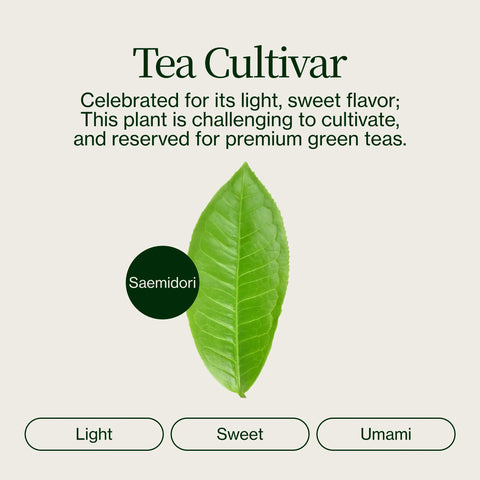
Saemidori: Saemidori è una cultivar molto apprezzata in Giappone, rinomata per il suo sapore naturalmente morbido e dolce. Produce un liquore verde brillante e un delicato umami, meno astringente rispetto ad altre varietà. Gli agricoltori apprezzano Saemidori per la sua precocità di raccolta, che permette di sfruttare i primi nutrienti in primavera. Per gyokuro , questa cultivar offre una dolcezza rinfrescante accompagnata da una sottile nota marina, risultando particolarmente adatta a lunghi periodi di ombreggiatura.
Preparazione e presentazioneFino a 18 tazze
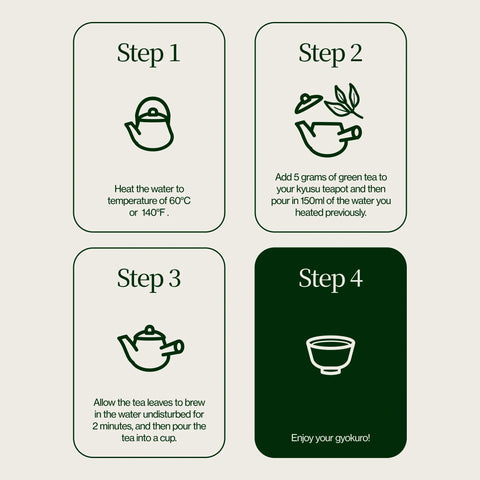
Caffè caldo: 5 g di foglie, 150 ml di acqua a 60 °C (140 °F), 2 minuti.
Preparalo di nuovo: Le stesse foglie permettono di ottenere 3 infusioni. Reinfondere altre 2 volte con acqua alla stessa temperatura, per 30 secondi ogni volta; ogni infusione avrà un sapore leggermente diverso.
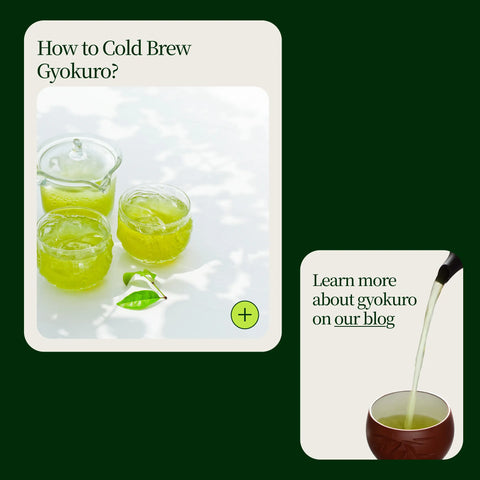
Caffè freddo: Per una variante rinfrescante, Gyokuro Sou Sakamoto si presta benissimo anche alla preparazione a freddo. Lasciate in infusione 5-10 g di foglie in 500 ml di acqua fredda per 3-6 ore e gustate una tazza morbida, dolce e rinfrescante.
Una confezione: Fino a 18 tazze · 6 porzioni da 5 g, 3 infusioni ciascuna · 30 g / 1,1 oz.
Perché scegliere Nio Teas ?
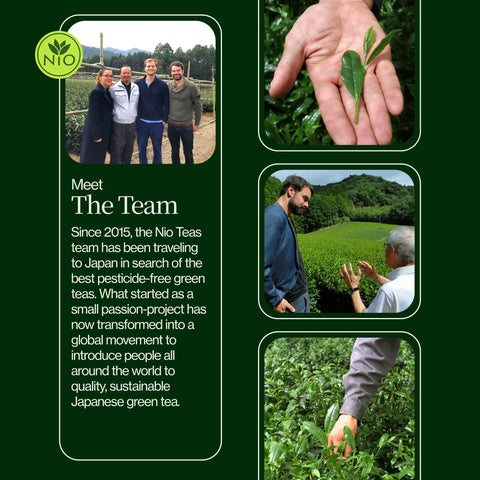
Per noi, il tè è più di una semplice bevanda, è uno stile di vita. Abbiamo trascorso anni visitando piantagioni di tè in tutto il Giappone, degustando tè con chi li coltiva e costruendo relazioni dirette e durature. Crediamo che questo sia il modo più sostenibile di approvvigionarsi di tè: meno intermediari, maggiore tracciabilità e un legame più stretto tra produttore e consumatore.
Ogni tè è al 100% privo di pesticidi e accuratamente selezionato per il suo gusto, la sua origine e la sua lavorazione. Che tu stia scoprendo il tè giapponese o confrontando cultivar e terroir, troverai note di degustazione sincere, precise indicazioni per l'infusione e un supporto concreto per aiutarti a ottenere il meglio da ogni tazza.
Valori tipici per 100 ml di tè preparato, tratti dalle Tabelle Standard di Composizione degli Alimenti in Giappone (MEXT, 8a edizione), infuso gyokuro (alimento n. 16034; 10 g di foglie, 60 ml di acqua a 60 °C, 2,5 min). I valori nella vostra tazza possono variare a seconda del tipo di foglia, dell'acqua e del tempo di infusione.
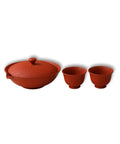
Completa il tuo rituale del tèNo Kyusu or Shiboridashi at home? No problem!
100% senza pesticidiDirettamente dagli agricoltoriPuro e non miscelatoTerroir di origine unicaRaccolta in piccoli lottiAutentico artigianato giapponese
Unveiling Gyokuro's Superfood Power
•
Caffeina
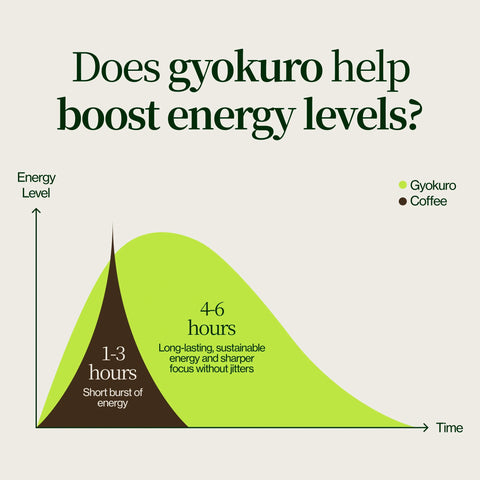
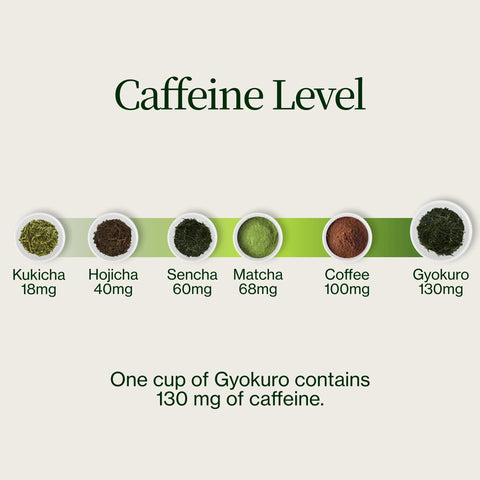
Caffeina naturale per una carica delicata e duratura.
•
Antiossidanti
Ricco di catechine e altri antiossidanti naturali.
•
Clorofilla
Naturalmente ricco di clorofilla, il pigmento responsabile del vibrante colore verde del matcha .
•
Potassio e calcio
Minerali presenti in natura che contribuiscono al profilo nutrizionale del matcha .
•
L -teanina
Un amminoacido presente naturalmente nel tè, associato a una sensazione di calma e concentrazione.
•
Vitamine A, C, E e K
Contiene una gamma di vitamine naturalmente presenti nell'intera foglia di tè.
Provalo con fiducia. Se non fa per te, contattaci entro 30 giorni.
15 coltivatori di tè giapponesi
Il nostro tè unisce la maestria artigianale e la competenza regionale di 15 agricoltori partner in tutto il Giappone.
Direttamente dal produttore alla tazza.
Instauriamo rapporti duraturi con i nostri agricoltori per ridurre gli intermediari e garantire una maggiore tracciabilità.
100% senza pesticidi Gyokuro
Every Gyokuro is grown without pesticides, then personally tasted and selected by our team.
How to Make Gyokuro Like a Pro
Gyokuro si gusta al meglio con temperature dell'acqua più basse e tempi di infusione più lunghi, che permettono alla sua dolcezza e al suo sapore umami di emergere senza risultare amari.
Heat the Water
Riscaldare l'acqua a 60 °C (140 °F).
Add the Leaves
Aggiungere 5 g di foglie a un kyusu o shiboridashi .
Steep
Versare 150 ml di acqua e lasciare in infusione per 2 minuti.
Pour & Brew Again
Versate via tutta la bevanda, quindi lasciate in infusione le stesse foglie altre due volte (30 secondi ciascuna).
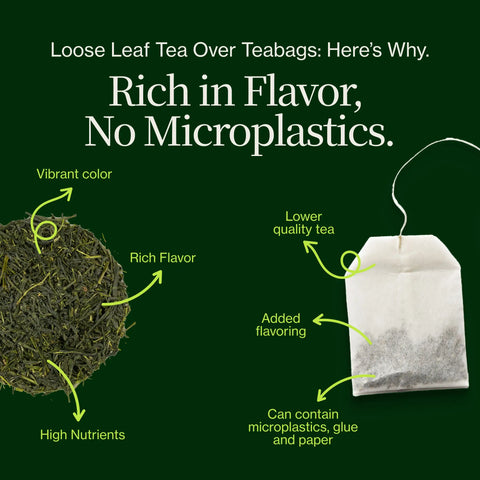
Tè sfuso o in bustine
Ricco di sapore, non di microplastiche.
Legendary organic tea farmer in Shibushi.
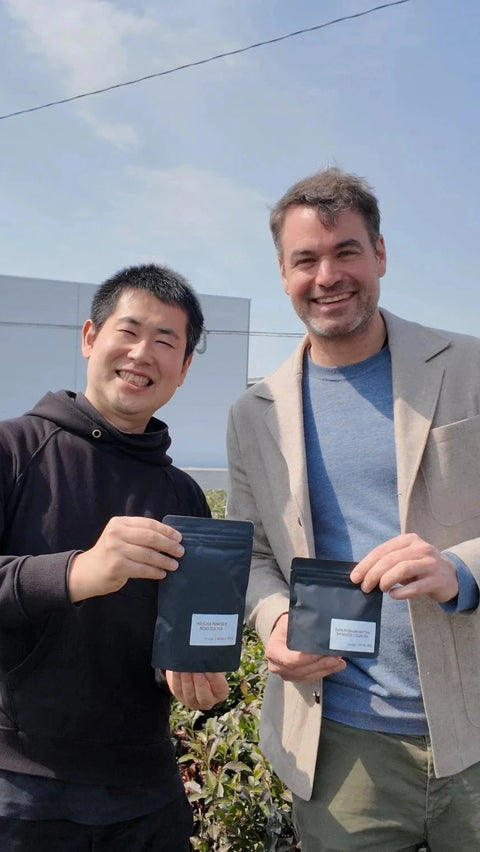
Contadino: Sakamotoさん
Mr. Sakamoto is a legendary organic green tea farmer in Shibushi, Kagoshima. Over decades in the tea industry he has found a sustainable way to make flavourful gyokuro and matcha without pesticides or chemicals, using an organic fertiliser he developed himself from organic compost and a sedimentary rock mulch.
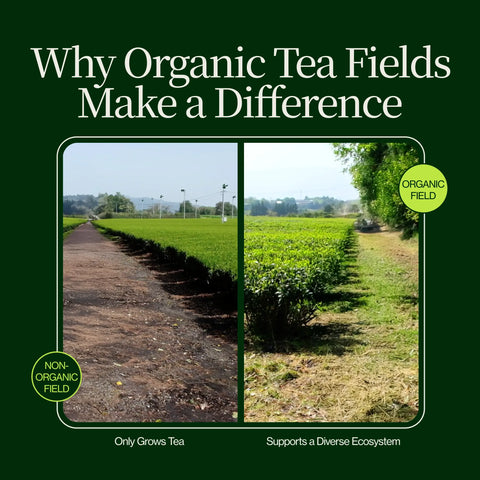
Why Organic Gyokuro Fields Make a Difference
Le piante del tè assorbono tutto dal terreno, il che rende la coltivazione senza pesticidi particolarmente importante. Gli agricoltori con cui collaboriamo hanno trovato un modo per coltivare un tè delizioso senza danneggiare l'ecosistema naturale.
Da tempo Nio teas è il mio negozio di tè preferito per acquistare prodotti di alta qualità e non mi ha mai deluso. I loro tè sono eccellenti, ma vorrei soffermarmi soprattutto sul servizio clienti: il team di Nio è sempre stato molto gentile e disponibile ogni volta che ho avuto bisogno di assistenza. Il loro servizio clienti è impeccabile, attento e rapido nel rispondere a qualsiasi domanda, ed è per questo che sono una cliente fedele da tanto tempo.
1 aprile 2026
5 out of 5 stars
5/5
Sean
Il mio fornitore preferito di tè verde sfuso biologico giapponese. Selezionano alcuni dei migliori tè biologici dal Giappone e supportano i piccoli agricoltori e l'intero settore del tè biologico in crescita. Ordino da tutti i fornitori da anni e Nio ha sempre i prezzi e la selezione migliori. Offrono anche un servizio clienti eccellente e spedizioni veloci. Altamente raccomandato 🍃
Shipping is free once your order passes the threshold for your country — USD 54.99 · EUR 54.99 · GBP 44.99 · CHF 49.99 · CAD 74.99 · DKK 399 · SEK 599 · PLN 229 · CZK 1,290. Everywhere else it's the equivalent of USD 54.99, converted automatically. Below the threshold a flat rate applies, always shown at checkout before you pay.
We ship from warehouses in the US, the EU and Japan — whichever is closest to you. US and EU orders arrive in 4–12 business days; the handful of countries served from Japan take around 10. Business days count from dispatch rather than from when you order, and exclude weekends and public holidays. You'll get a tracking number by email the moment your parcel leaves the warehouse.
We only buy from fields grown without pesticides or chemicals. We ask each farmer directly how they manage their land, visit the plantation and processing facility ourselves, taste every harvest before committing, and check that the biodiversity around the fields is alive. Small family farms don't always carry paperwork — so we verify it in person instead.
Japanese green tea covers an enormous range, and choosing online isn't easy. If you've tried yours and it isn't for you, email info@nioteas.com within 30 days with your order number and a line on what you didn't enjoy. We'll send a different tea of equal or lower value, free. Nothing to post back — keep it, share it, or try brewing it cooler. Once per order.
Email info@nioteas.com within 30 days with your order number and a photo. We'll approve it, cover the return postage with a prepaid label or a reimbursement, and refund you — no restocking fee. Refunds go to your original payment method within 2 business days of the return reaching us; your bank may take another 5–20 to show it.
Unopened items in their original packaging can be returned within 30 days. Tea is sealed for hygiene, so opened packs can't come back — but the swap above covers exactly that situation. Return postage is yours unless the item arrived damaged, defective or incorrect.
Orders to the US and EU ship domestically from our local warehouse, so there's no customs charge and no duty. A small number of destinations are served from our Japan warehouse, where your own customs authority may apply import duty, VAT or a carrier handling fee on delivery. Those are set by your country, not by us. Ask before you order and we'll help you check.
I must admit: for the price point, I would never have tried this tea except for the fact that I got it for free as part of the anniversary sale. Nearly $50 for 30 grams of tea is a bit out of my price range. As such, this will become a special occasion tea for me, since gyokuros can be aged longer than senchas.
The aroma is deceptively mild, with classic sencha notes of steamed vegetables, but also hints of corn and sweet cream just under the surface. This isn't an extremely aromatic tea, but compensates for that by giving enjoyable complexity in the flavor.
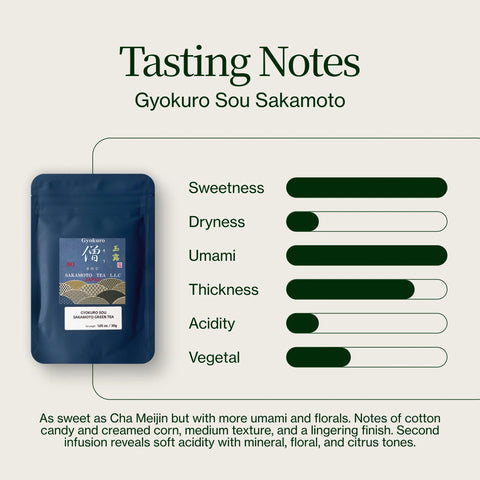
When you take your first sip, the mouthfeel gives some minerality and a thick, brothy texture that coats the tongue. It greets you with a brisk umami and a very mild bitterness that quickly fades into floral sweetness with a hint of sweet corn, then lingers as a mild rocky mineral aftertaste with recurring hints of vegetal umami. And when I say that aftertaste lingers, it REALLY lingers. I was still tasting it a solid 10 minutes after my first cup, and the aroma remained even longer, which is insane, I've never had a Japanese tea linger that long.
I highly recommend not only brewing this tea at very cool temperatures (as gyokuro should be), but I also recommend using much less water than usual as well. This allows the tea to have that stronger, syrupy texture and bold flavor.
If I had to compare it to anything, I'd say it's like a more umami version of the Cha Meijin, if you've been a Nio Teas customer for a while. My only real complaint is the price point. Again, $50 for 30 grams of tea is a bit on the excessive side. I understand gyokuros are more labor-intensive and are carefully blended, but in this economy, not too many people are going to be able to truly afford that price. If it were $40 or less, I could see myself repeat-buying because it's otherwise a very solid tea.
I’ve never had proper Japanese green tea before. Nio Teas has been a wonderful introduction. They added this Gyokuro as a gift and it really is something unique. It’s one of those things in life that keeps your attention because there is so much to explore every time you experience it. I enjoy those moments. Thanks guys!
Un te exquisito. Es de los más umamis que he probado. El sabor es intenso, delicado y con múltiples capas. De mis tés verdes favoritos, junto con el fukamushi sencha.
It isn’t anything you need to improve. I didn’t like the flavor. I guess I didn’t understand the flavor profile I studied your different teas for at least 3 months to get a better grasp of what I might want. This is all new to me. My first order of any green teas. I haven’t been able to give it a second chance. The taste didn’t agree with me! I will give it another chance. Too expensive not to try to acquire a taste for it. I thought since this was a more expensive tea it would have a better taste lol. I like the roasted Hojicha so much better!
When your samplers are back in stock I would love to try other flavors!
The first steeping could not have tasted better; perhaps my favorite green tea. However, the second steeping did not exceed the second steepings of other, less extraordinary teas.