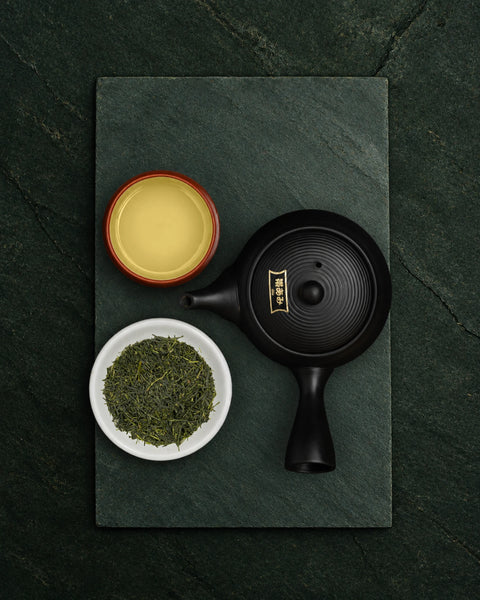


Shincha is the first tea of the year, picked from the season's opening flush and sold within weeks of being made. Japanese growers count 88 nights from the start of spring — hachijuhachiya, around the beginning of May — as the traditional moment to harvest. The plant has spent the winter storing amino acids, so the first leaves carry more sweetness and a bright, almost fruity aroma that later harvests never quite match. That aroma is also the reason shincha is drunk young: it fades over the months, and by autumn the same tea has settled into an ordinary sencha. Brew it like a sencha, a touch cooler, and drink it while it is new.
Artigiano del tè: Fujiwara-sanKagoshima
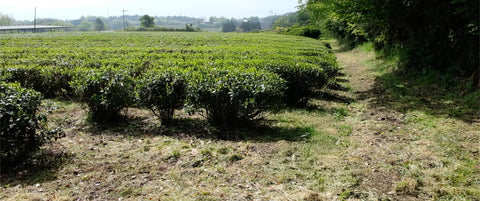
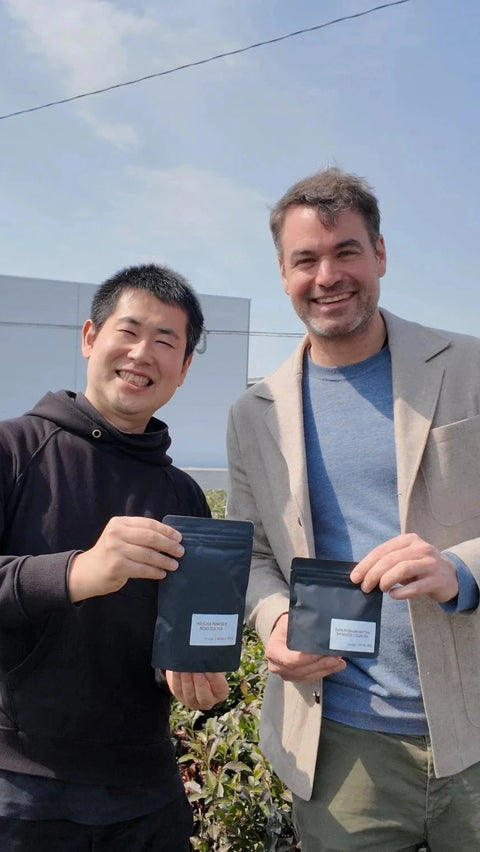
Immersa tra le lussureggianti montagne, la famiglia Fujiwara coltiva un piccolo giardino del tè dove, con amore e cura, produce artigianalmente il tè Shincha Yakushima Yabukita . La passione di Fujiwara-san per la coltivazione biologica del tè non solo ha realizzato il suo sogno di possedere un giardino del tè biologico, ma ha anche aperto la strada a pratiche di agricoltura biologica innovative nella regione. È un vero privilegio collaborare con un agricoltore così dedito e lungimirante.
Origine: YakushimaGiappone
Il tè Shincha Yakushima Yabukita viene coltivato sulla pittoresca isola di Yakushima , situata nella parte più meridionale del Giappone. Quest'isola è benedetta da abbondanti precipitazioni, un territorio montuoso e un clima subtropicale mite, che creano le condizioni ideali per la coltivazione del tè verde giapponese. Durante la nostra visita all'isola Yakushima , siamo rimasti affascinati non solo dalla rigogliosa fauna selvatica, ma anche dall'incrollabile dedizione della popolazione locale alla sua conservazione.
Cultivar: YabukitaVarietà di tè
Come suggerisce il nome, lo Shincha Yakushima Yabukita è prodotto con la cultivar Yabukita , la varietà di pianta del tè più comune in Giappone.
Yabukita: La yabukita è la varietà di pianta del tè più popolare in Giappone, rappresentando il 75% della produzione totale. Ciò è dovuto in parte al suo aroma. La cultivar Yabukita produce aromi intensi e vegetali, molto apprezzati dagli amanti del tè, il che contribuisce alla sua popolarità.
Preparazione e presentazioneFino a 48 tazze
Caffè caldo: 5 g di foglie, 150 ml di acqua a 60 °C (140 °F), 1 minuto.
Preparalo di nuovo: Le stesse foglie permettono di ottenere 3 infusioni. Reinfondere altre 2 volte con acqua alla stessa temperatura, per 20 secondi ogni volta; ogni infusione avrà un sapore leggermente diverso.
Caffè freddo: Si gusta al meglio caldo; sconsigliamo di preparare questo tè a freddo.
Una confezione: Fino a 48 tazze · 16 porzioni da 5 g, 3 infusioni ciascuna · 80 g / 2,8 oz.
Perché scegliere Nio Teas ?
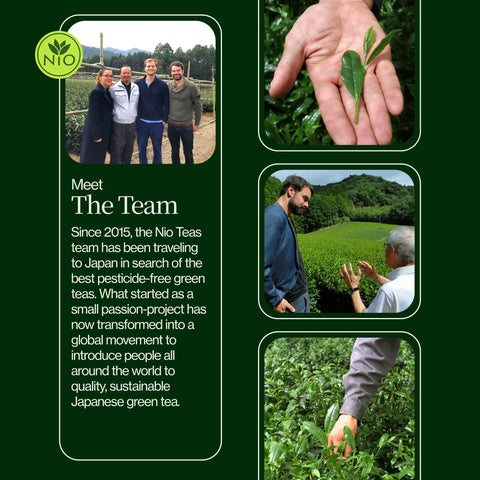
Per noi, il tè è più di una semplice bevanda, è uno stile di vita. Abbiamo trascorso anni visitando piantagioni di tè in tutto il Giappone, degustando tè con chi li coltiva e costruendo relazioni dirette e durature. Crediamo che questo sia il modo più sostenibile di approvvigionarsi di tè: meno intermediari, maggiore tracciabilità e un legame più stretto tra produttore e consumatore.
Ogni tè è al 100% privo di pesticidi e accuratamente selezionato per il suo gusto, la sua origine e la sua lavorazione. Che tu stia scoprendo il tè giapponese o confrontando cultivar e terroir, troverai note di degustazione sincere, precise indicazioni per l'infusione e un supporto concreto per aiutarti a ottenere il meglio da ogni tazza.
Valori tipici per 100 ml di tè preparato, tratti dalle Tabelle Standard di Composizione degli Alimenti in Giappone (MEXT, 8a edizione), infuso sencha (alimento n. 16037; 10 g di foglie, 430 ml di acqua a 90 °C, 1 min). I valori nella vostra tazza possono variare a seconda del tipo di foglia, dell'acqua e del tempo di infusione.
Completa il tuo rituale del tèNo Kyusu at home? No problem!
100% senza pesticidiDirettamente dagli agricoltoriPuro e non miscelatoTerroir di origine unicaRaccolta in piccoli lottiAutentico artigianato giapponese
Unveiling Shincha's Superfood Power
•
Caffeina
Caffeina naturale per una carica delicata e duratura.
•
Antiossidanti
Ricco di catechine e altri antiossidanti naturali.
•
Clorofilla
Naturalmente ricco di clorofilla, il pigmento responsabile del vibrante colore verde del matcha .
•
Potassio e calcio
Minerali presenti in natura che contribuiscono al profilo nutrizionale del matcha .
•
L -teanina
Un amminoacido presente naturalmente nel tè, associato a una sensazione di calma e concentrazione.
•
Vitamine A, C, E e K
Contiene una gamma di vitamine naturalmente presenti nell'intera foglia di tè.
Provalo con fiducia. Se non fa per te, contattaci entro 30 giorni.
15 coltivatori di tè giapponesi
Il nostro tè unisce la maestria artigianale e la competenza regionale di 15 agricoltori partner in tutto il Giappone.
Direttamente dal produttore alla tazza.
Instauriamo rapporti duraturi con i nostri agricoltori per ridurre gli intermediari e garantire una maggiore tracciabilità.
100% senza pesticidi Shincha
Every Shincha is grown without pesticides, then personally tasted and selected by our team.
How to Make Shincha Like a Pro
Per preparare questo Shincha Yakushima Yabukita , puoi utilizzare acqua a temperatura più bassa e un tempo di infusione più breve. Un minuto dovrebbe essere il tempo di infusione ideale per estrarre tutto il sapore delizioso da questo tè verde.
Heat the Water
Riscaldare l'acqua a 60 °C (140 °F).
Add the Leaves
Aggiungere 5 g di foglie in una teiera kyusu .
Steep
Versare 150 ml di acqua e lasciare in infusione per 1 minuto.
Pour & Brew Again
Versate via tutta la bevanda, quindi lasciate in infusione le stesse foglie altre due volte (20 secondi ciascuna).
Tè sfuso o in bustine
Ricco di sapore, non di microplastiche.
Contadino: Fujiwaraさん
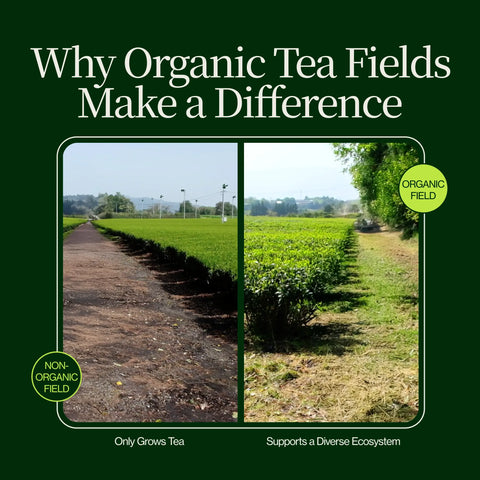
Why Organic Shincha Fields Make a Difference
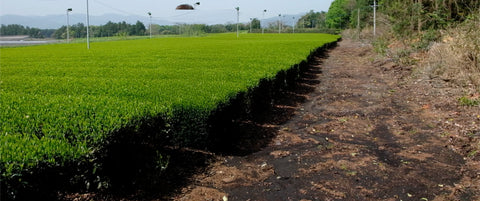
Le piante del tè assorbono tutto dal terreno, il che rende la coltivazione senza pesticidi particolarmente importante. Gli agricoltori con cui collaboriamo hanno trovato un modo per coltivare un tè delizioso senza danneggiare l'ecosistema naturale.
Da tempo Nio teas è il mio negozio di tè preferito per acquistare prodotti di alta qualità e non mi ha mai deluso. I loro tè sono eccellenti, ma vorrei soffermarmi soprattutto sul servizio clienti: il team di Nio è sempre stato molto gentile e disponibile ogni volta che ho avuto bisogno di assistenza. Il loro servizio clienti è impeccabile, attento e rapido nel rispondere a qualsiasi domanda, ed è per questo che sono una cliente fedele da tanto tempo.
1 aprile 2026
5 out of 5 stars
5/5
Sean
Il mio fornitore preferito di tè verde sfuso biologico giapponese. Selezionano alcuni dei migliori tè biologici dal Giappone e supportano i piccoli agricoltori e l'intero settore del tè biologico in crescita. Ordino da tutti i fornitori da anni e Nio ha sempre i prezzi e la selezione migliori. Offrono anche un servizio clienti eccellente e spedizioni veloci. Altamente raccomandato 🍃
Shipping is free once your order passes the threshold for your country — USD 54.99 · EUR 54.99 · GBP 44.99 · CHF 49.99 · CAD 74.99 · DKK 399 · SEK 599 · PLN 229 · CZK 1,290. Everywhere else it's the equivalent of USD 54.99, converted automatically. Below the threshold a flat rate applies, always shown at checkout before you pay.
We ship from warehouses in the US, the EU and Japan — whichever is closest to you. US and EU orders arrive in 4–12 business days; the handful of countries served from Japan take around 10. Business days count from dispatch rather than from when you order, and exclude weekends and public holidays. You'll get a tracking number by email the moment your parcel leaves the warehouse.
We only buy from fields grown without pesticides or chemicals. We ask each farmer directly how they manage their land, visit the plantation and processing facility ourselves, taste every harvest before committing, and check that the biodiversity around the fields is alive. Small family farms don't always carry paperwork — so we verify it in person instead.
Japanese green tea covers an enormous range, and choosing online isn't easy. If you've tried yours and it isn't for you, email info@nioteas.com within 30 days with your order number and a line on what you didn't enjoy. We'll send a different tea of equal or lower value, free. Nothing to post back — keep it, share it, or try brewing it cooler. Once per order.
Email info@nioteas.com within 30 days with your order number and a photo. We'll approve it, cover the return postage with a prepaid label or a reimbursement, and refund you — no restocking fee. Refunds go to your original payment method within 2 business days of the return reaching us; your bank may take another 5–20 to show it.
Unopened items in their original packaging can be returned within 30 days. Tea is sealed for hygiene, so opened packs can't come back — but the swap above covers exactly that situation. Return postage is yours unless the item arrived damaged, defective or incorrect.
Orders to the US and EU ship domestically from our local warehouse, so there's no customs charge and no duty. A small number of destinations are served from our Japan warehouse, where your own customs authority may apply import duty, VAT or a carrier handling fee on delivery. Those are set by your country, not by us. Ask before you order and we'll help you check.
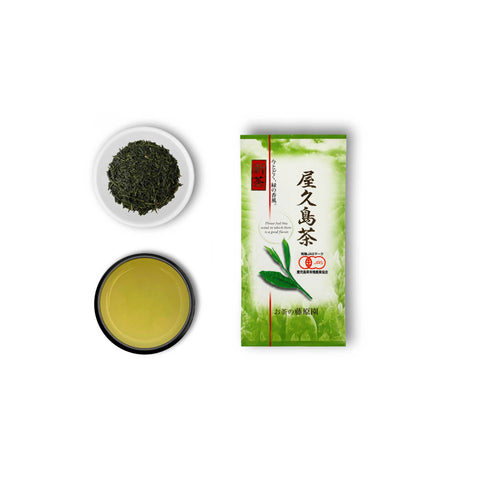
I ordered three shinchas and this was by far my favorite. It's perfectly balanced and so easy drinking that I always want more. Also, the little quote on the packet makes me smile: "Please feel this wind in which there is a good flavor."
I hope this is available in 2025 . . .
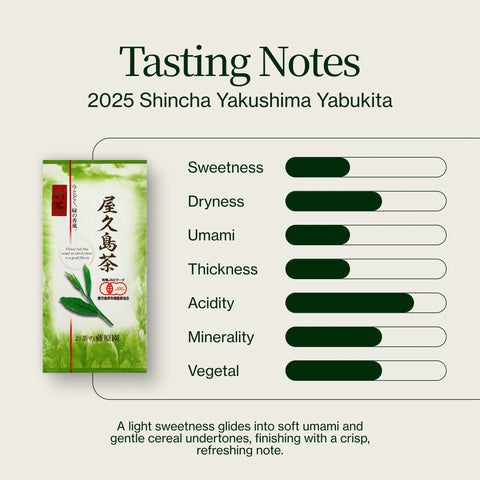
When I opened the packet, I could smell the lovely fragrance. Absolutely love the biscuit notes and each sip ends with a little vegetal umami. I went on with this tea up to 5 steeps. Later steeps had so much sweetness and I love how refreshing it is.
Yakushima Yabukita ‘Shincha’ (新茶 or "new tea")
Tasting Notes: Classic Japanese Green Umami with notes of Buttered Brussel Sprouts, Seaweed Wrap, Cooked Rice, Sakura, and Steamed Milk with sweetness both in taste and aroma. Smooth, medium finish with a creamy texture, light and persistent dryness throughout, and a subtle astringency to ‘glue’ the shifting tone of salty to sweet. This Shincha held up extremely well to a high-heat sampling brewed with cooled down boiled water (200-205) for 1 min, 3.5 grams but I’ve done this only for tasting purposes. The recommended temperature for this tea would vary from as low as 140 to as high as 185, and I’ve always found the leaf ratio for Japanese greens to be much more idiosyncratic to the particular individual but the starting ratio I’d recommend is 3.5 grams per 100ml Gongfu, or 1.5-3 grams per 500-750 ml mug. This is a Japanese green which will have a radically different balance depending on whether you stick firmly to Western or Gongfu brewing instructions, moving closer to fresh vegetables and umami characteristics the closer you get to Gongfu. The liqueur colour is toned from a Sencha which is expected of this type, and has a more reserved, clear pale green to yellow colour often associated more with Chinese greens while still carrying over the classic neon-green vibrancy you’d expect from most Japanese green teas in the cup. A solid, fresh, and accurate representation of a high-quality Japanese Tea. I’d recommend always straining Japanese Green Tea with a fine mesh strainer or using a mesh strainer Kyusu or raw Tokoname Clay Kyusu for the absolute best results.
This is a mediocre Yabukita with not too much flavor. I really like the Asatsuyu and Kuritawase here so I was hoping there would be a good Yabukita, but it's not their best.
I have been drinking tea from Nio for a little over one year and as time goes by am learning more and more about exactly how to properly brew each one for maximum flavor. This is one I enjoy more and more as time goes by.
The yakushima sencha has a balanced flavor that isn't too strong or too weak. It's a great option for someone who wants a classic green tea experience.
I found this sencha from Nio to be smooth and mellow. It doesn't have a strong aftertaste or overpowering flavor, making it a great option for someone who prefers subtle teas like me!
This sencha has a nice, clean taste that's perfect for sipping on a relaxing afternoon. The flavor is light but satisfying, without any harshness or bitterness.
The Yakushima sencha is an excellent choice for anyone who wants a straightforward Japanese green tea experience. It has a simple taste that's easy to enjoy without any fuss.